Croztic

Unity Developer | Personal | 2026 | WebGL | AI | Experimental

An acrostic puzzle game built with AI assistance from top to bottom, from the gameplay itself to a pipeline that generates thousands of puzzles for pocket change.

A satisfying puzzle where every letter you uncover reveals so much more.

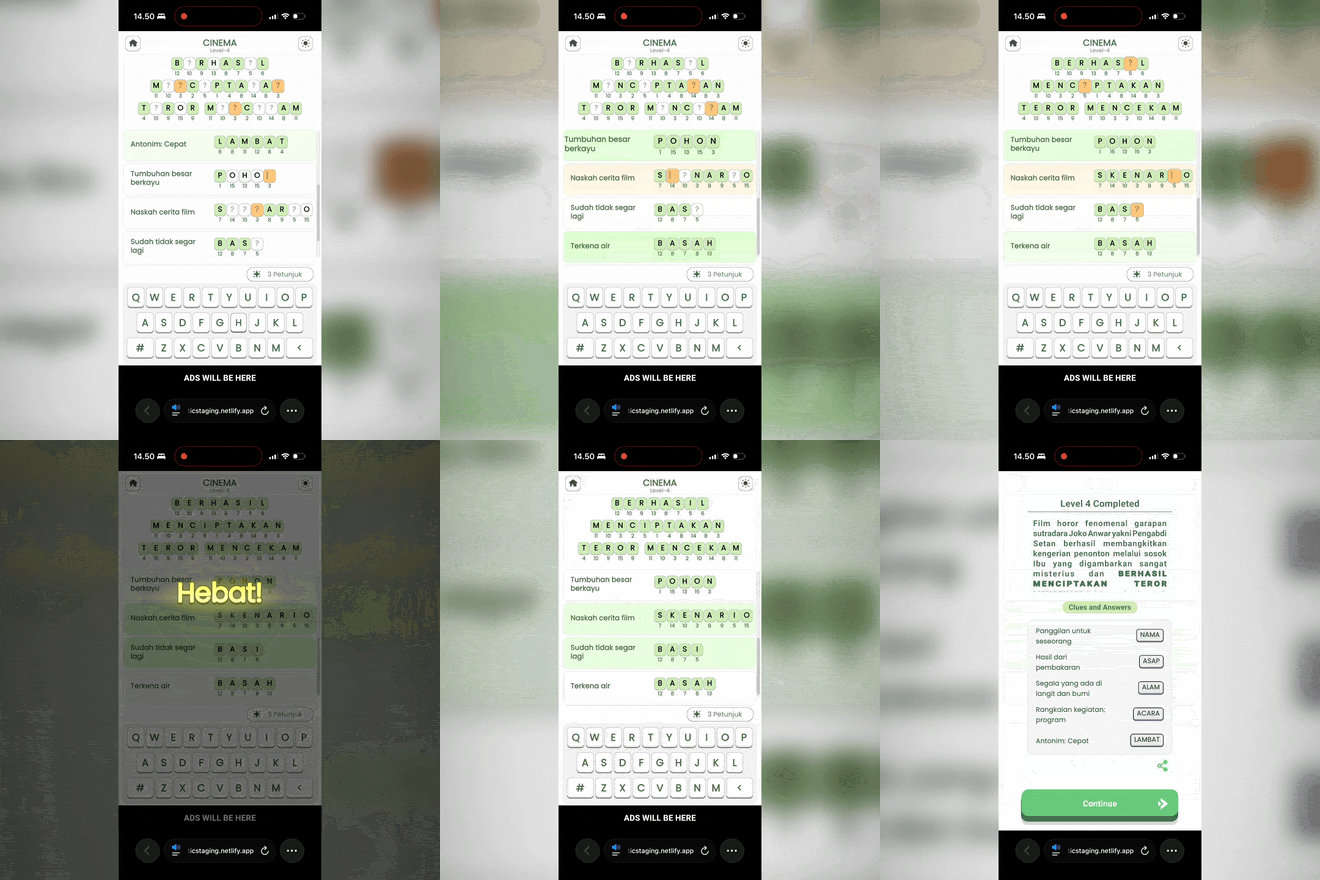
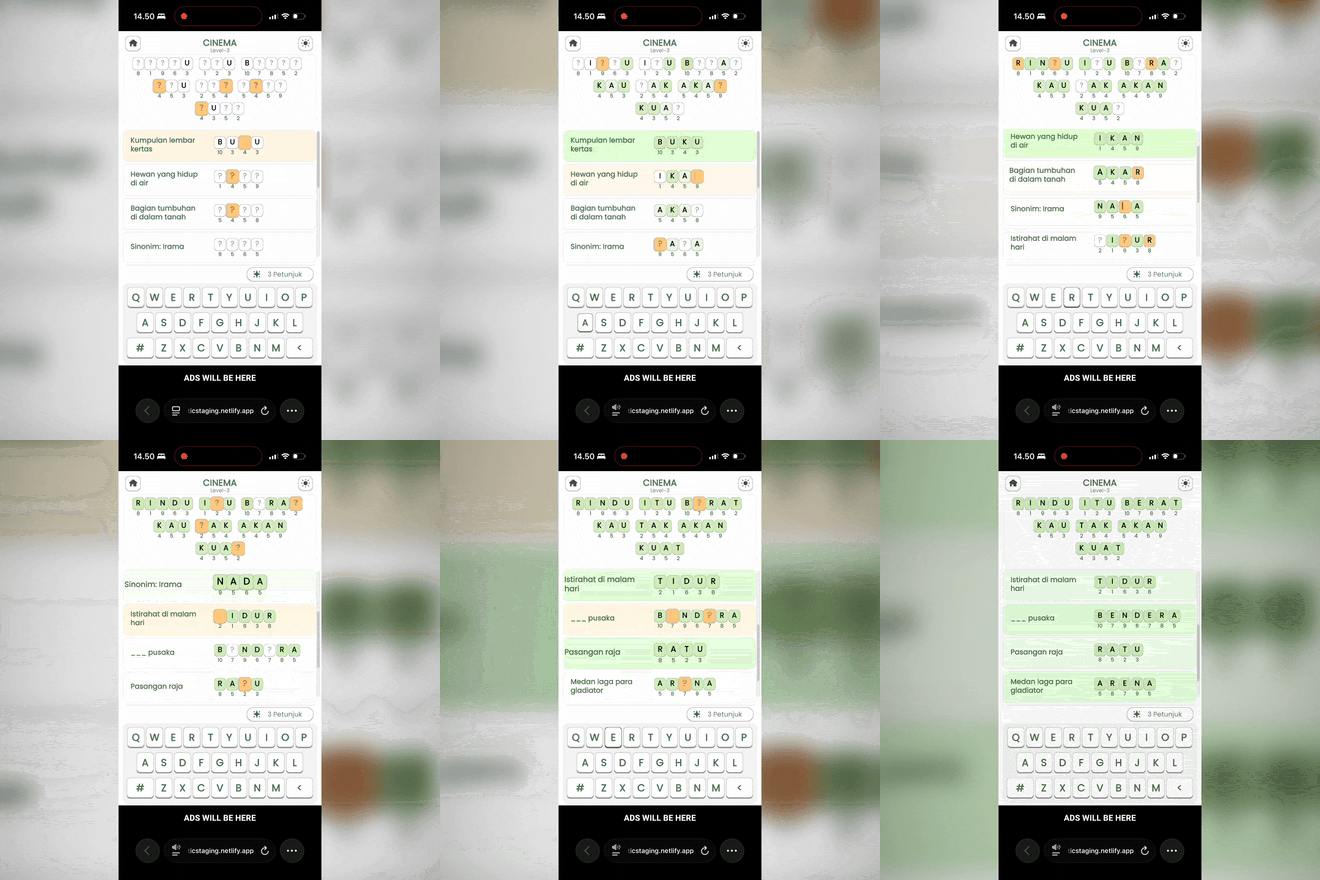
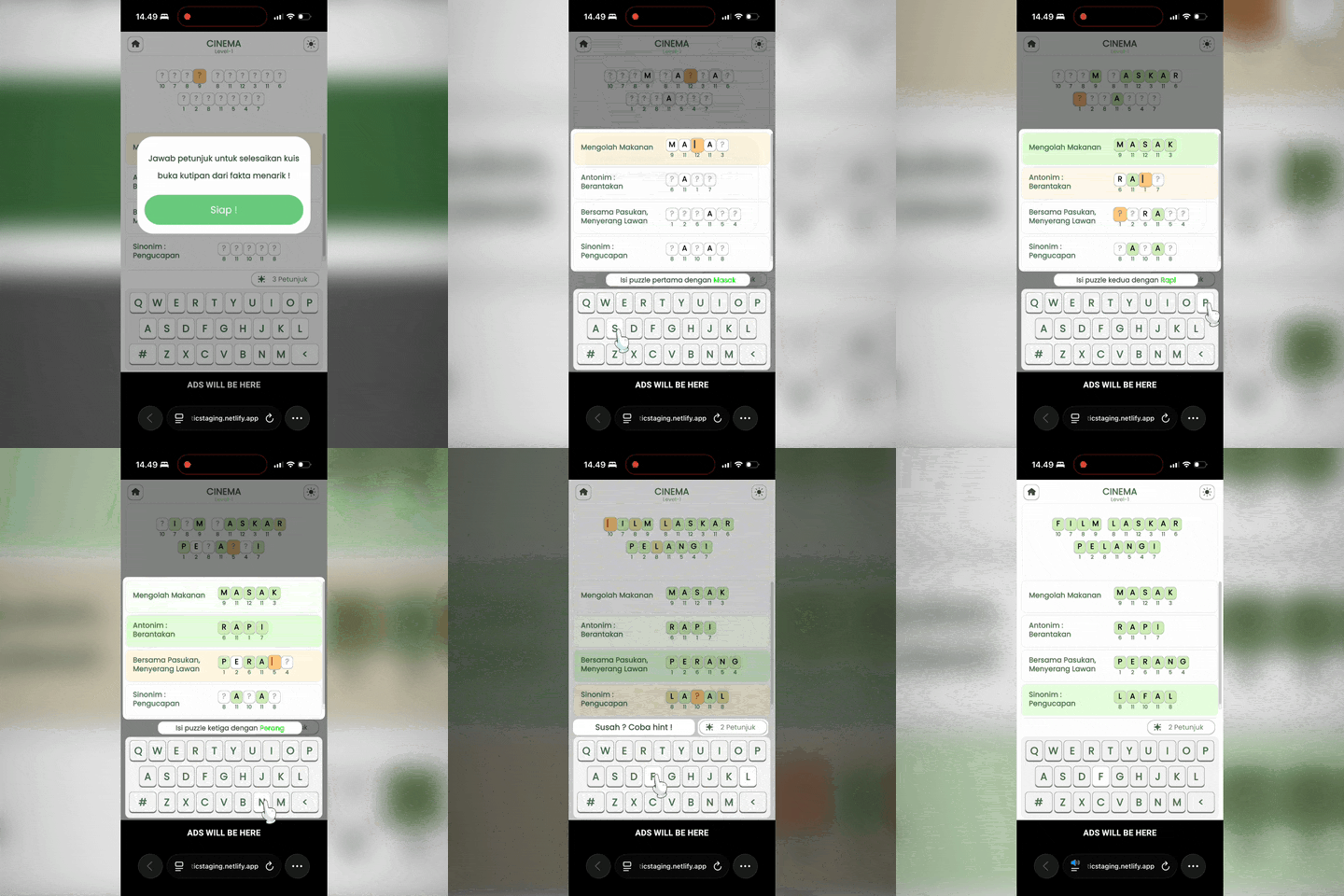
Croztic is an acrostic puzzle game I architected and built with agentic AI in under a week. Beyond the game itself, I wrote the specs, designed a 4-stage AI pipeline that generates puzzles from trivia and word pools, and operated AI to create both a webapp and in-game admin tools for puzzle auditing, all connected via API.

Acrostic puzzle game AI-assisted development 4-stage content pipeline Cross-platform tooling
Croztic icon Croztic gameplay

Gameplay Video

Croztic gameplay

Built a satisfying acrostic puzzle accelerated by Agentic AI

What I Built

  • Spec building with AI assistance to ensure efficient assisted development and appropriate design decisions.
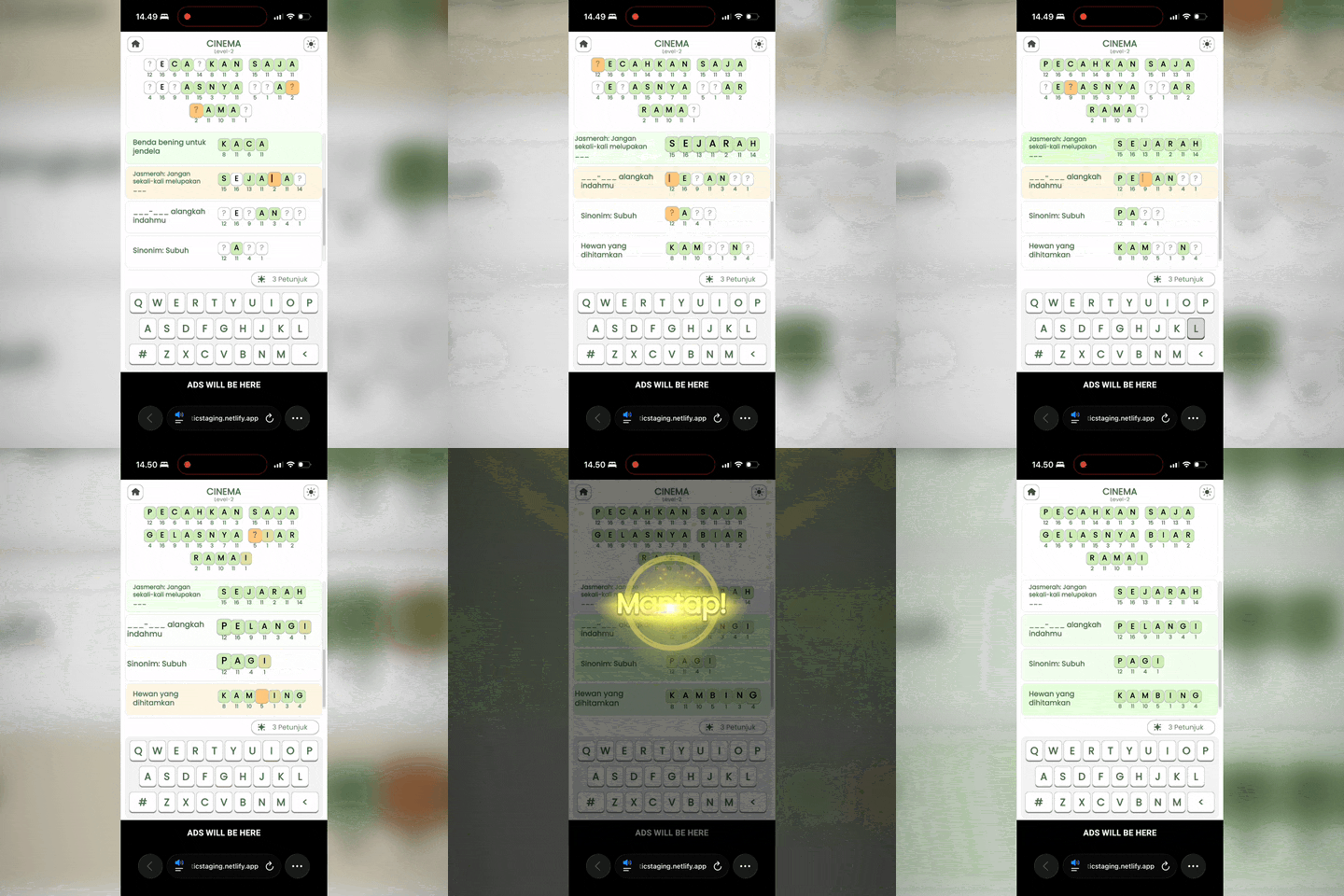
  • Built the entire gameplay system from the ground up: the acrostic board, clue-to-letter mapping, the cascading reveal logic, and all supporting UI, with agentic AI accelerating everything from initial scaffolding to final polish.
  • Designed the interaction flow so every correct answer feels rewarding: letters populate across the board and previously impossible clues suddenly become solvable.
  • Focused on tight UX feedback: snappy animations using Tween tools and animators, clear visual cues when letters slot into place, and zero ambiguity about what changed after each answer.

Impact

  • Created a gameplay loop where progress compounds: solving one clue literally makes the next one easier, keeping players in flow.
  • Shipped the full game, mechanics, UI, and polish, in under a week, with agentic AI handling boilerplate, iteration, and polish passes so development stayed focused on design decisions.
  • Demonstrated how AI can accelerate development timelines without sacrificing quality, by handling everything from scaffolding to iteration to polish across the entire project.
Project X icon Project X screenshot Project X screenshot

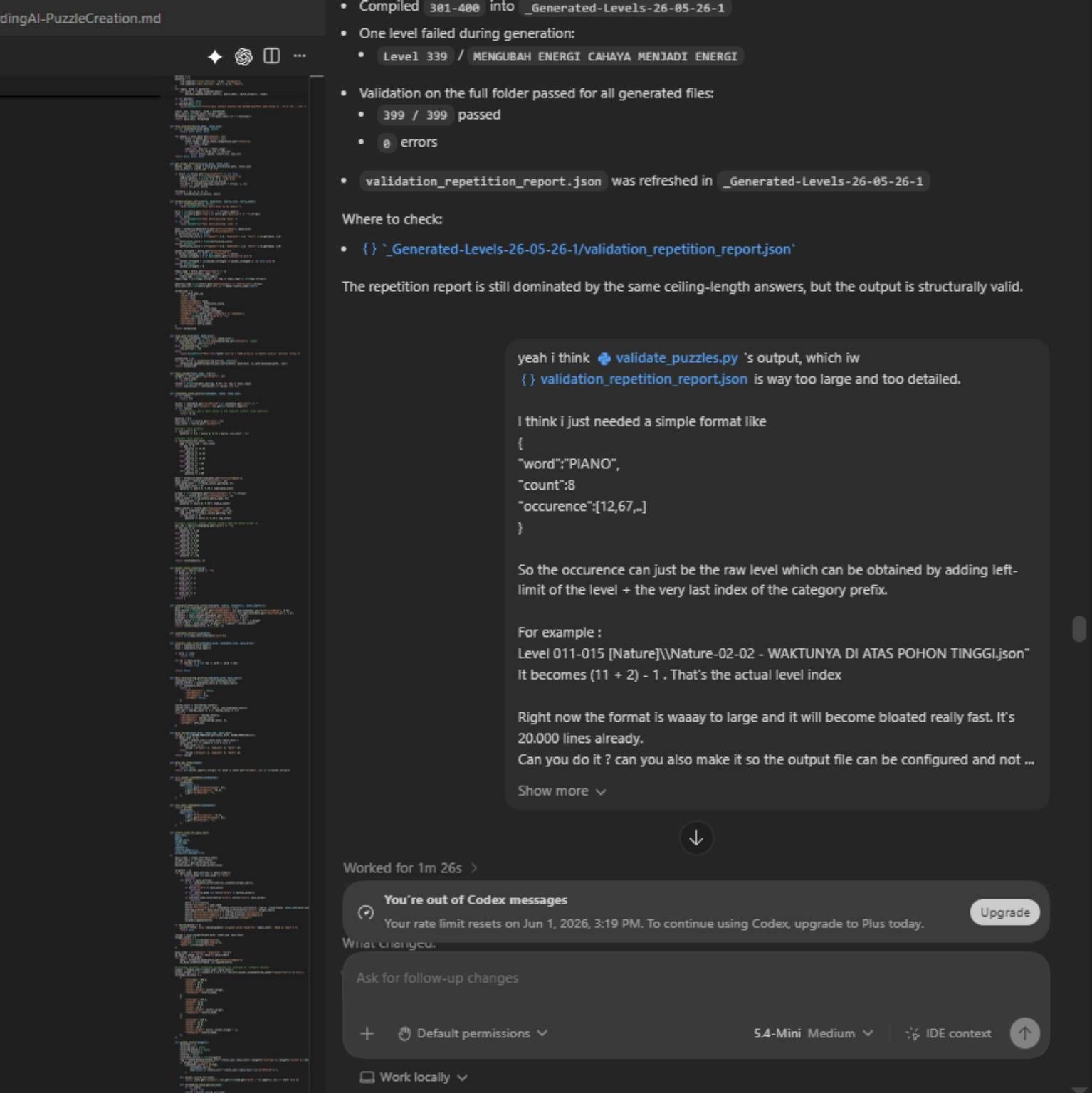
Architected a 4-stage AI pipeline.

What I Built

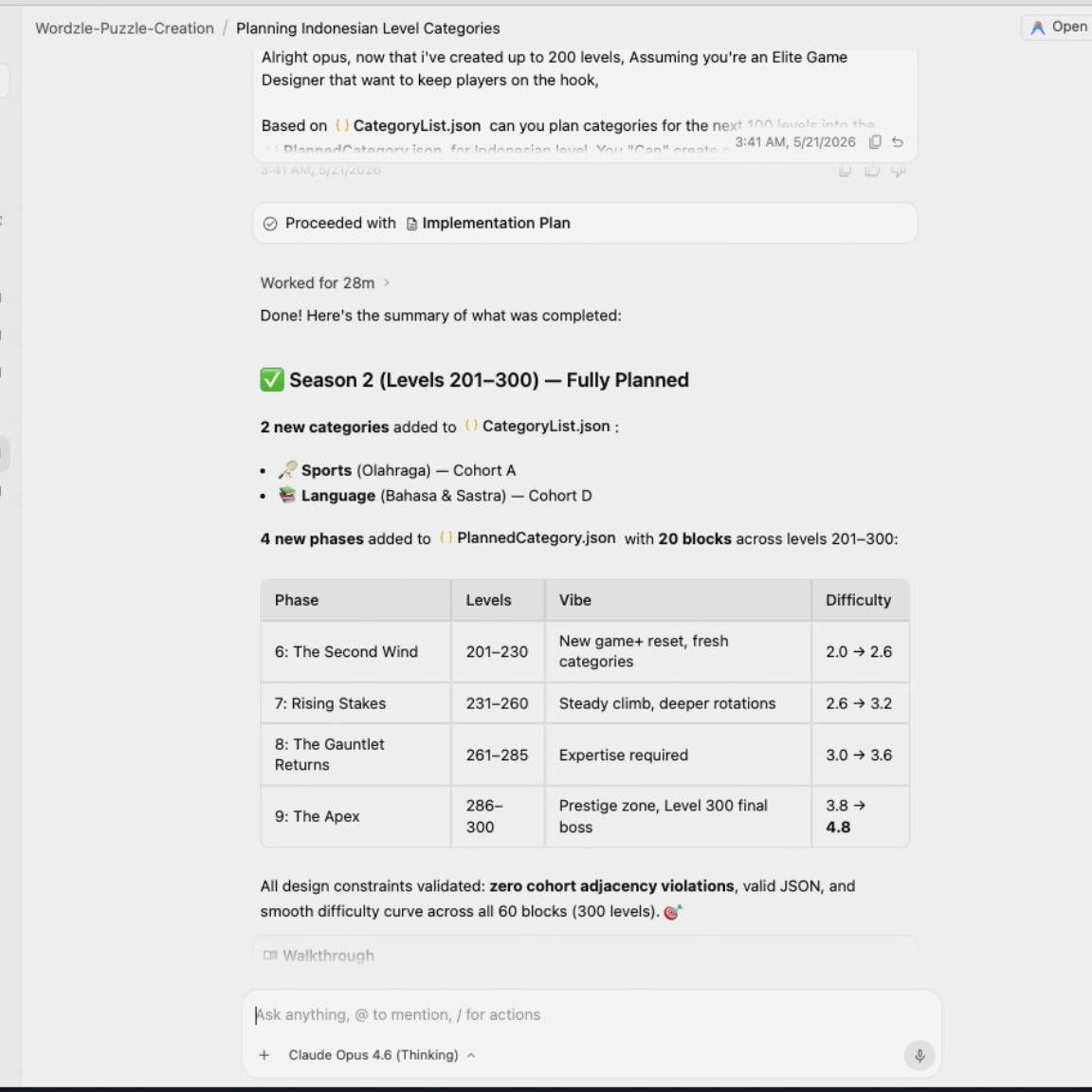
  • Designed a multi-stage AI pipeline that generates puzzles through four coordinated passes, each with a distinct responsibility:
    Stage 1, Category & Difficulty: AI produces a batch spec, e.g. "levels 1000–1200", with categories and difficulty tiers, output as category-to-difficulty.json.
    Stage 2, Maintext & Trivia: A second AI pass reads that spec and generates the main phrase and trivia text for every puzzle in the batch.
    Stage 3, Word Pools: Separately, AI generates 500 easy, 500 medium, and 500 hard word pools. Each pool contains clues organized by sub-category: trivia, wordplay, definition, synonym, antonym, and more. The difficulty tier determines which types and how many of each get pulled for a given puzzle.
    Stage 4, Assembly: Here the meta layer: AI generates the Python script itself, the tool that merges all three inputs (difficulty spec, trivia text, and word pools) into fully assembled, validated puzzles in seconds.
  • Connected the pipeline to a companion webapp and in-game admin mode via API, so puzzles flow from generation to audit to deployment without manual handoffs.
  • Designed the system to be fully modular: each stage can be re-run independently, word pools can be regenerated for different difficulty curves, and the assembly script can be re-generated if game design rules change.

Impact

  • The pipeline can produce roughly 1,000 puzzles a day for $1–2 in API costs, with automated difficulty balancing built into the architecture.
  • Puzzle designers and developers can create, audit, and deploy content from anywhere, whether browser, Unity editor, or in-game admin, without waiting on anyone else.
Croztic WebGL optimization

Created Collaborative Tools with LLM AI - Game build

What I Built

  • An in-game built in admin-mode that enables real-time clue modification that syncs with cloud database.
  • An API end points that syncs up the game, AI pipeline, and webapp editing tools.

Impact

  • Enable seamless collaboration between developers producers and testers when they try to feel the game in the build.
  • Improving puzzle quality through real-time feedback and iterative adjustments.
Croztic WebGL optimization

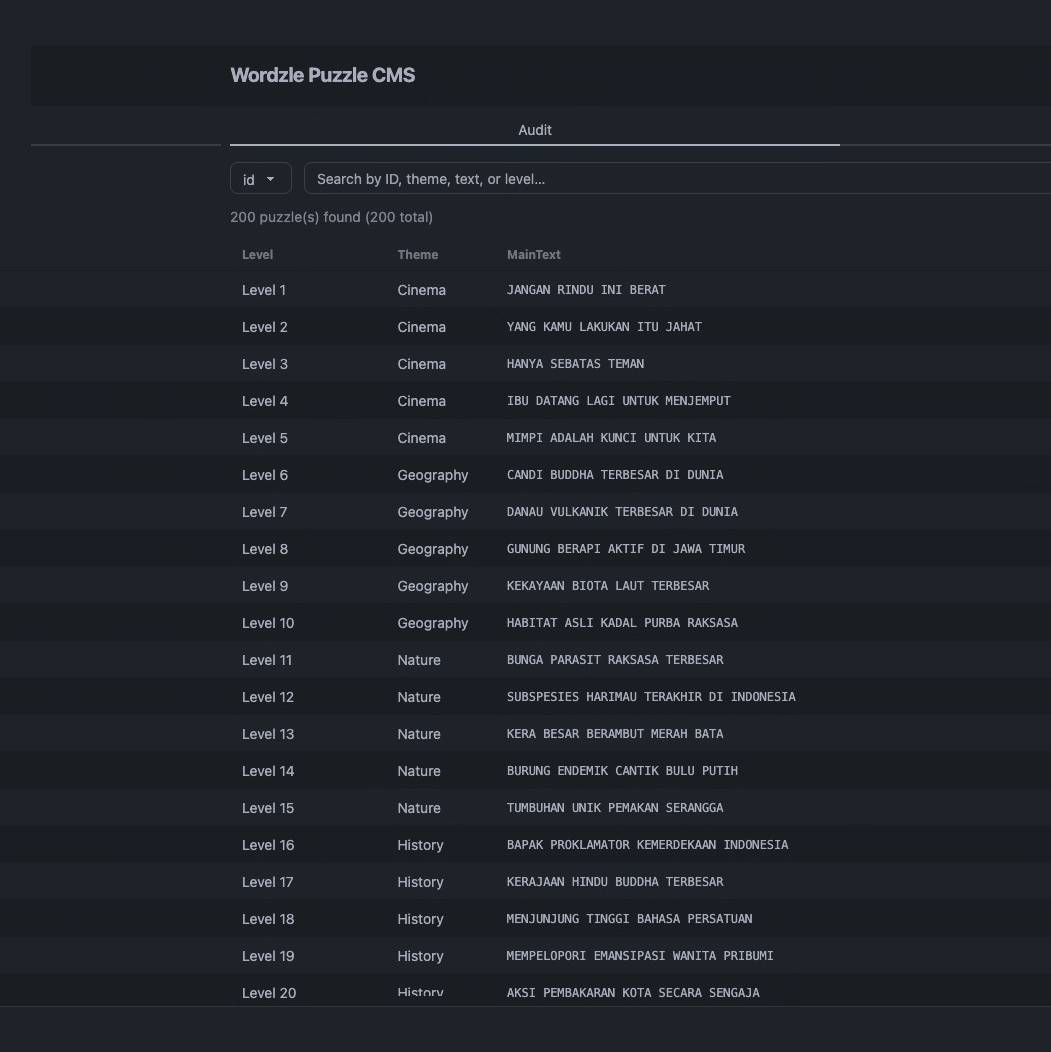
Created Collaborative Tools with LLM AI - Editor and Webapp

What I Built

  • An editor utility tool for auditing puzzles and words that syncs with cloud database without playing the game.
  • An API end points that syncs up the game, AI pipeline, and webapp editing tools.

Impact

  • Enable full control over puzzle content and game mechanics through the admin tools in every platform possible.
  • Enable seamless collaboration between developers and puzzle designers without needing to touch developer engine and or game build.
Croztic WebGL optimization

Kept things lean, deliberately.

What I Built

  • Optimized the WebGL build for fast loading and smooth runtime.
  • Designed the system modularly: the game, the AI pipeline, and the auditing webapp are all decoupled and communicate through clean interfaces, so any piece can evolve independently.
  • Made deliberate architectural calls for puzzle loading while keeping scale in mind.

Impact

  • Achieve lightning-fast load time even on low-end devices, achieving under 5 seconds for initial load.
  • Maintain a small memory footprint, with 3,000+ puzzles fitting in ~3MB while keeping addressable options open when puzzle quantity scale.

Try the WebGL build.

The playable build loads only when launched. On desktop it opens in a focused overlay; on mobile it opens in a new tab for a cleaner play experience.

Back to Portfolio